There is a certain electricity in the Chennai air that appears even before the first drop of rain falls. You can practically sense schoolchildren standing by their windows, hands folded in silent prayer, hoping the clouds will be kind enough to cancel school. While children see the monsoon as a benevolent hero, parents see it as a surprise guest who has arrived unannounced and plans to spend the entire day on their sofa.
For children, the joy of a rain holiday begins long before the official announcement. They conduct meteorological studies from their balconies, declare forecasts with the confidence of news anchors, and refresh WhatsApp groups with a devotion usually reserved for IPL scores. The moment a rumour spreads that “school might be leave”, a wave of hope sweeps across every street. If the government eventually declares a holiday, households erupt with celebrations usually witnessed only when CSK wins a match in the last over.
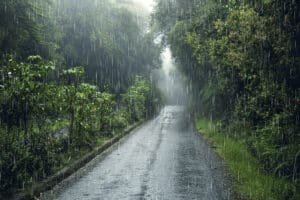 Parents, on the other hand, react quite differently. They usually maintain an impressive level of dignity for the first five minutes. They say things like “Let the children rest” and “Rain is good for the city”. But by the time the clock strikes 9 am and the house begins to sound like an amusement park, that early enthusiasm dissolves into regret. Parents spend the rest of the day trying to understand why children, who claim to be tired on regular school days, suddenly possess the energy of fully charged power banks. They hop around the house, demand snacks every hour, and generate a level of noise that makes even the rain sound gentle.
Children view rain holidays as passport-free vacations. They wake up late, enjoy long breakfasts, and spend the day doing precisely what they would never be allowed on a school morning – eating endlessly, jumping on sofas, and watching cartoons in the name of “relaxing”. They rediscover old books, float paper boats in puddles, and insist on inspecting every inch of the terrace to check how much water has collected, as though they are personal advisors to the Chennai Corporation.
Meanwhile, parents must navigate the challenging obstacle course that the city becomes during rain. Even the simple task of buying milk turns into an Olympic event, with roads transforming into unexpected lakes and potholes popping up like surprise quiz questions. Parents on two-wheelers return home looking like they have survived an adventure documentary, while auto drivers narrate rainfall stories so dramatic they deserve their own web series. Inside the house, parents attempt to finish office work while also acting as referees, chefs, entertainers, peacekeepers, and negotiators – sometimes all at once.
By afternoon, the kitchen becomes the heart of the rain holiday. Children demand bajjis, pakoras, noodles, and anything that feels “special”, while parents, despite their exhaustion, somehow manage to produce snack after snack. The combination of the earthy smell of rain, the sizzling oil, and the growing mountain of used plates creates an atmosphere of domestic chaos and culinary triumph. Parents sip their fifteenth cup of tea, not because they want it, but because it is the only socially acceptable way to stay awake.
Yet the beauty of a Chennai rain holiday is that by evening, everyone – parents and children alike – settles into a shared sense of comfort. Children curl up with storybooks or watch the rain slide down windows, feeling as though the whole day was created just for them. Parents, though tired, admit quietly to themselves that these are the memories they will look back on someday: the laughter, the mess, the endless bajjis, and the temporary pause from the city’s usual rush.
Rain holidays in Chennai are not merely days off. They are tiny festivals of chaos, humour, and togetherness. Children adore them because they represent freedom. Parents endure them because they represent love. And the city, with its overflowing drains, heroic auto drivers, and dramatic clouds, plays its part perfectly in this annual monsoon performance. In the end, when the sky finally clears, parents breathe a sigh of relief and children sigh in disappointment – until the next cloud forms and the delightful drama begins again.